How Much Does a Small Business Website Cost in the UK? (2026)
· Updated · 10 min read
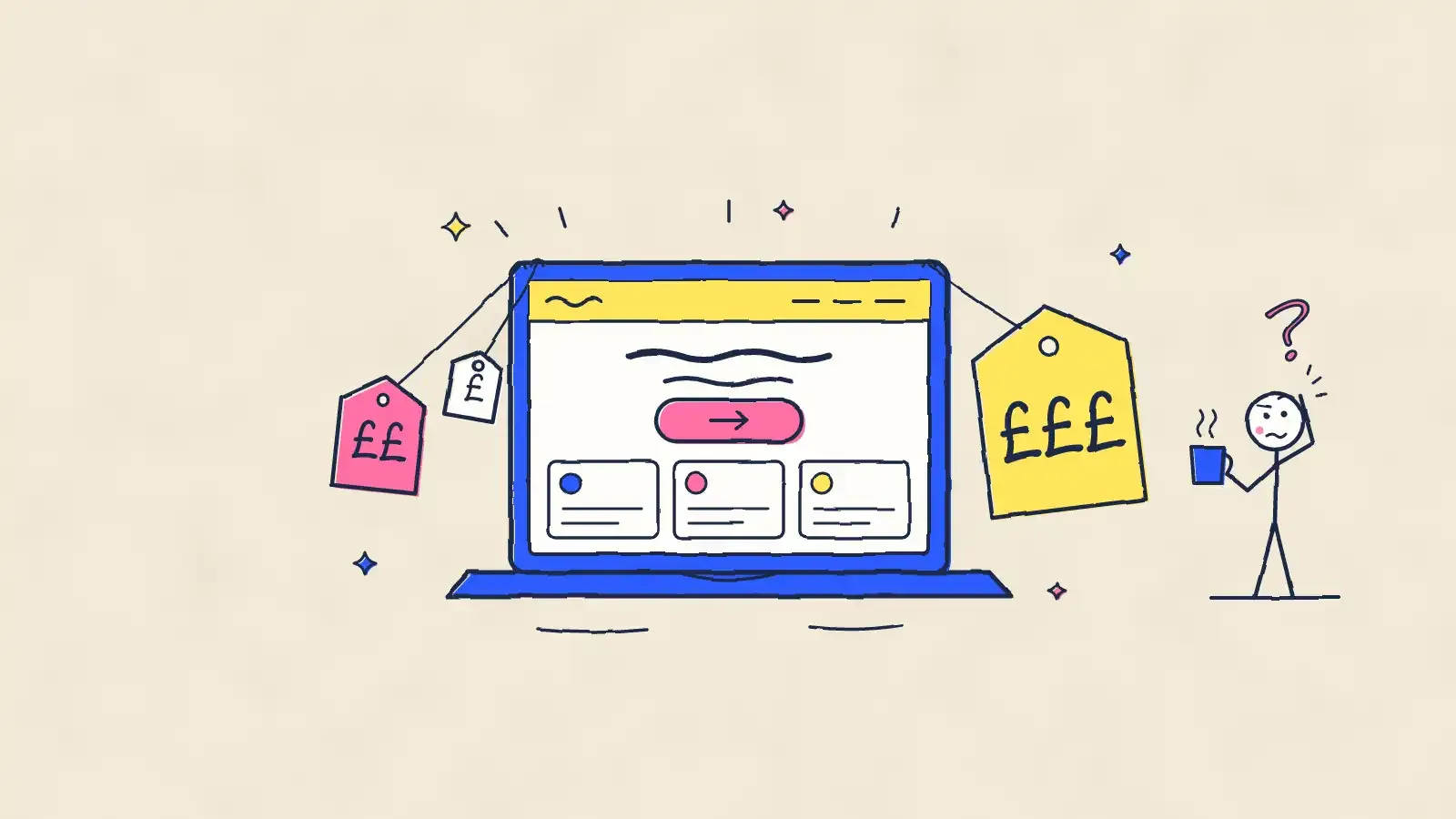
You need a new website, and the quotes make no sense. One web designer says £600. Another says £6,000. A website builder says £15 a month. They can’t all be right for your business, and nobody explains the difference. This guide sets out what a small business website costs in the UK in 2026, what it costs to run each year, and how to tell which quote is fair. Whether you call it a bespoke website or a custom website, the sums work the same way.
The short answer
Most UK small businesses pay between £500 and £5,000 to have a website built, plus a few hundred pounds to around £2,000 a year to keep it running.
Do it yourself with a website builder: roughly £10 to £50 a month, plus your own time.
A freelancer for a simple site of three to five pages: usually £500 to £3,000.
A small studio for a custom-designed site of five to fifteen pages: usually £1,500 to £5,000.
An agency for a larger site: £3,000 to £15,000 and up.
An online shop: from about £2,000, and often far more.
These ranges come from price guides published by UK web designers and business websites in 2026, and most exclude VAT. The build price is only part of the bill, so read on before you compare quotes.
What does it cost to build a small business website?
Doing it yourself with a website builder
Builders such as Wix, Squarespace and GoDaddy charge from a few pounds to about £50 a month for the plans most small businesses use. Shop plans cost more and usually take a small fee on every sale.
Your time is the real cost. A clear site that loads quickly takes most owners several evenings to put together, and more to keep up to date. If you enjoy it and your business is simple, it can be the right choice.
Hiring a freelance web designer
A freelancer typically charges £500 to £3,000 for a brochure site of three to five pages, and UK freelance rates are often quoted at £50 to £150 an hour. Quality varies a lot at this level. Ask to see live sites they have built, and open them on your phone.
Working with a small studio
A small studio usually charges £1,500 to £5,000 for a custom-designed site of five to fifteen pages. At this level, expect a design made for your business rather than a bought template, help with the words, and a site built to load quickly and be found on Google.
Using a larger agency
Agency quotes for small business websites tend to start around £3,000 and go well past £15,000 for bigger sites. You are paying for more people: project managers, designers, developers and account managers. That suits a business with a large site or its own marketing team. Most small businesses don’t need it.
Selling online
Online shops cost the most, because every product, payment option and delivery rule has to be set up. Published guides put a shop with up to 50 products at roughly £2,000 to £8,000, and bigger shops at £20,000 or more.
What does a website cost to run each year?
This is where most budgets go wrong. You pay for the build once. These costs come back every year:
Your domain name (the .co.uk or .com address) costs about £8 to £20 a year.
Hosting costs from about £5 a month on its own, or £30 to £50 a month with security updates and support included.
Updates and small changes are usually covered by a maintenance plan of about £30 to £150 a month.
Business email through Google Workspace or Microsoft 365 is around £5 to £8 per person a month.
Three more costs are often missing from the first quote:
The words. Copywriting is often charged separately, at around £50 to £150 a page.
Photos. Stock image subscriptions start at about £20 a month. Real photos of your team and your work persuade people far better, and a photographer is a separate cost.
Ongoing SEO. Monthly SEO services start at around £150 a month and often cost much more. A well-built site needs less of it, and nobody can honestly promise you rankings.
What does a website really cost over three years?
Build prices on their own tell you very little. Here is a worked example for a made-up business: a local electrician who wants a five-page site to bring in more enquiries. The figures sit in the middle of the published ranges above, rounded, and leave out email because it costs the same whichever route you take.
Website builder, done yourself: £20 a month for 36 months is £720, plus about £45 for the domain. About £765, plus 20 to 30 hours of your time to build it and more to keep it current.
Freelancer: £1,500 to build, £500 for the words (five pages at £100), £40 a month for hosting and updates (£1,440) and £45 for the domain. About £3,485.
Small studio: £3,000 to build with the words included, £60 a month for hosting, security and updates (£2,160) and £45 for the domain. About £5,205.
Monthly website plan: £150 a month for 36 months is £5,400, with the build included. Check what happens to the site and the domain if you stop paying.
Over three years, the gap between the freelancer and the studio is about £1,700, or roughly £50 a month. That is the figure to weigh against what the site has to do for you.
How much should you spend on a website?
Work backwards from one customer. Say a new job is worth £400 profit to our electrician. A website that brings in one extra job a month earns £4,800 a year. On those numbers, a £5,000 site that brings in two extra jobs a month pays for itself in about six months, and a £700 site that brings in nothing is the expensive one.
So start with how many enquiries the site needs to bring in, and what each one is worth to you. The right budget follows from that.
Why do website quotes vary so much?
Two quotes for “a five-page website” can describe very different jobs. These are the things that move the price:
A ready-made template is quick and cheap. A design made for your business takes longer and usually turns more visitors into calls.
If the quote assumes you will supply every word, it looks cheaper on paper and runs slower in practice.
Booking forms, online quotes, payments, customer logins and links to your other systems each add work.
Fast loading on phones, clear page titles and descriptions, and a structure Google can read all take care to get right.
Some quotes include a period of fixes and support after launch. Others charge for every change from day one.
Some cheap monthly plans keep the site, and sometimes the domain, when you leave.
When is a cheap website the right choice?
A website builder or a low-cost freelancer makes sense when your business is new and you mainly need somewhere to send people, when most customers come from word of mouth, and when you have time to write and update it yourself.
Spend more when the website has to win work from strangers on Google, when it should take bookings or quote requests, or when your current site is already losing you enquiries.
When does your business need more than a website?
Sometimes the website is fine and the problem starts after someone gets in touch. Enquiries arrive at 9pm and go cold by morning. Quote requests sit in an inbox for days. Every booking gets typed into a spreadsheet by hand.
A better-looking website won’t fix any of that. These can:
An AI receptionist that answers enquiries day and night and takes the customer’s details, from about £220 a month.
Online quote and pricing tools built around your own price list, so customers get a price while they are still interested.
Bespoke software for small businesses that runs bookings, jobs and invoices from one screen.
If you are weighing up a system as well, see what bespoke software costs in the UK. And if your current website is holding your business back, we often include a new one free with a software project.
What should you check before you sign?
Is the price fixed and written down, including the words, photos and set-up?
What will hosting, security and updates cost each year after launch?
Will you own the domain, the design and the code once you have paid?
Can you click through a test version before it goes live?
Who fixes problems in the first weeks after launch, and is that included?
How fast does their work load on a phone? Pick a site they built and test it with Google’s free PageSpeed Insights.
Can you change the text, prices and photos yourself?
On a monthly plan: how long is the contract, and what happens to the site if you leave?
How does Doodles Tech price a website?
We don’t publish one website price, because a five-page site for a café and a site that quotes jobs online are different pieces of work. Instead:
You book a free 30-minute call, with no obligation, and tell us what the site needs to do. A napkin sketch is enough.
You get one fixed price, in writing, before any work starts.
You click through a test version on your own phone before anything goes live. A first working version usually takes days, not months.
You get 30 days of free fixes after launch.
Once it is paid for, the site and its code are yours.
We work with small businesses in the UK and the US, with prices in GBP confirmed on your call. See the websites and systems we’ve built, or read how we build websites for small businesses that bring in enquiries.
Questions people ask
How much does a five-page website cost in the UK?
Usually £500 to £3,000 from a freelancer and £1,500 to £5,000 from a small studio, before VAT and running costs. The difference mostly comes down to custom design, who writes the words and what support is included.
Can I build a small business website for free?
Most website builders have a free plan, but it shows the builder’s branding and won’t use your own domain name. For a business, budget for a paid plan and a domain, roughly £10 to £50 a month.
Is it better to pay monthly or one-off?
Monthly plans spread the cost, typically £90 to £300 a month with hosting and updates included. Over three years they often cost more than a one-off build, and you may not keep the site if you leave. Compare the three-year total and read the exit terms.
Do I own my website?
That depends on your contract. Your domain name should be registered in your name, and ideally the design and code should be yours once you have paid. Ask before you sign, and get the answer in writing.
How long does a small business website take to build?
Published guides say three to six weeks for a typical small business site, and longer when the words and photos aren’t ready. Most delays come from waiting for content, so gathering it early saves weeks.
Do website prices include VAT?
Most published price guides quote before VAT. Check your quote, because a VAT-registered supplier adds 20%.
Not sure what your website should cost? Book a free call. In 30 minutes you’ll know what you need and what you can skip, and you’ll get one fixed price in writing afterwards.
Not sure which side you are on?
Tell us about your process and we will tell you honestly.
Tell us about your process